WHAT:
Electronic Digital Computers, Colossus
WHERE:
Block H, Bletchley Park, UK
LOCATION:
WHEN:
First ran on 1 June 1944
WHO:
Tommy Flowers
DETAILS:
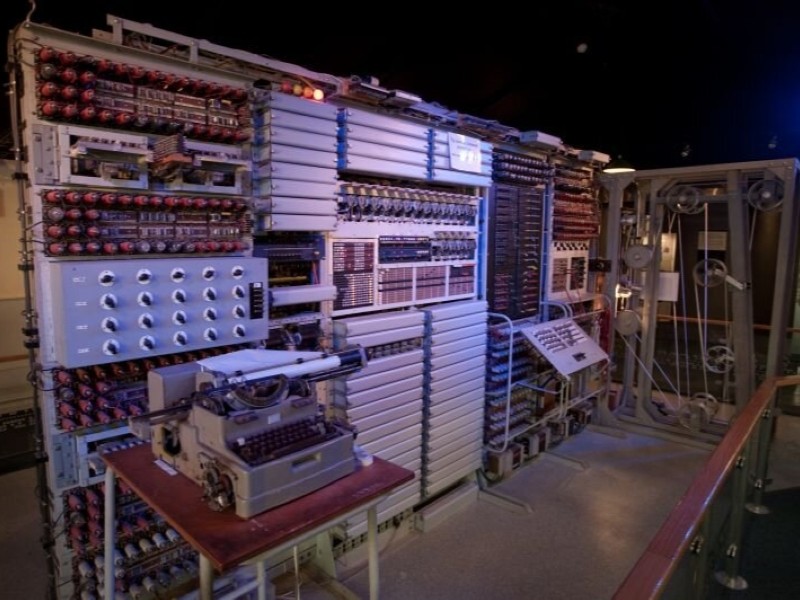
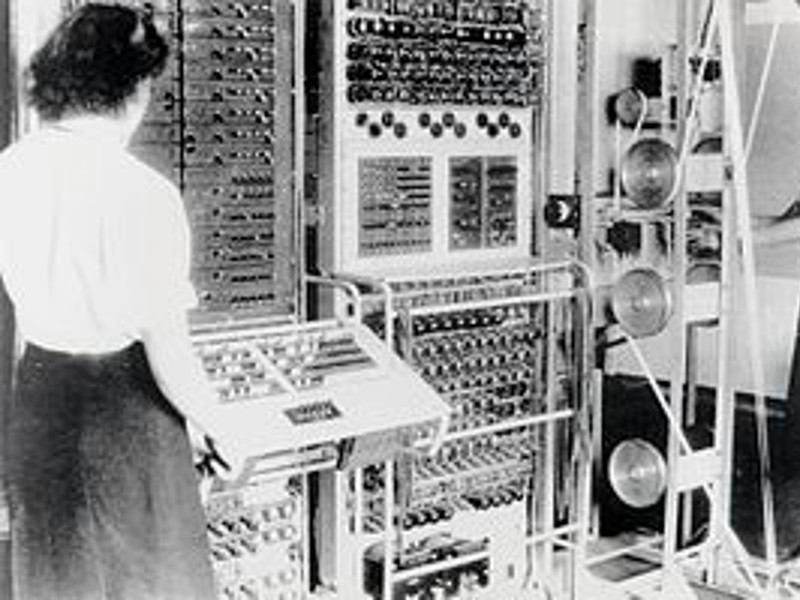
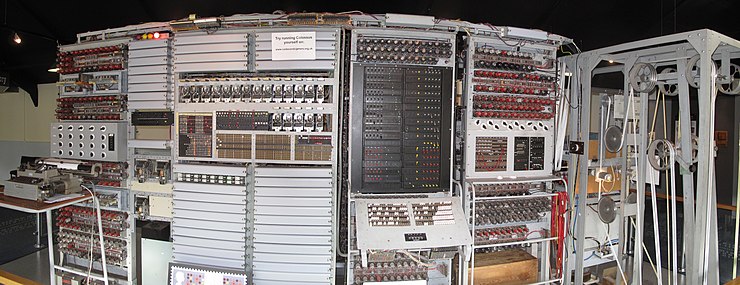
Colossus was a set of computers developed by British codebreakers from 1944 to help in the cryptanalysis of the Lorenz cipher. Colossus used thermionic valves (vacuum tubes) to perform Boolean and counting operations. Colossus is thus regarded as the world’s first programmable, electronic, digital computer, although it was programmed by switches and plugs and not by a stored program.
Colossus was designed by General Post Office research telephone engineer Tommy Flowers based on plans developed by mathematician Max Newman at the Government Code and Cypher School at Bletchley Park.
LINKS:

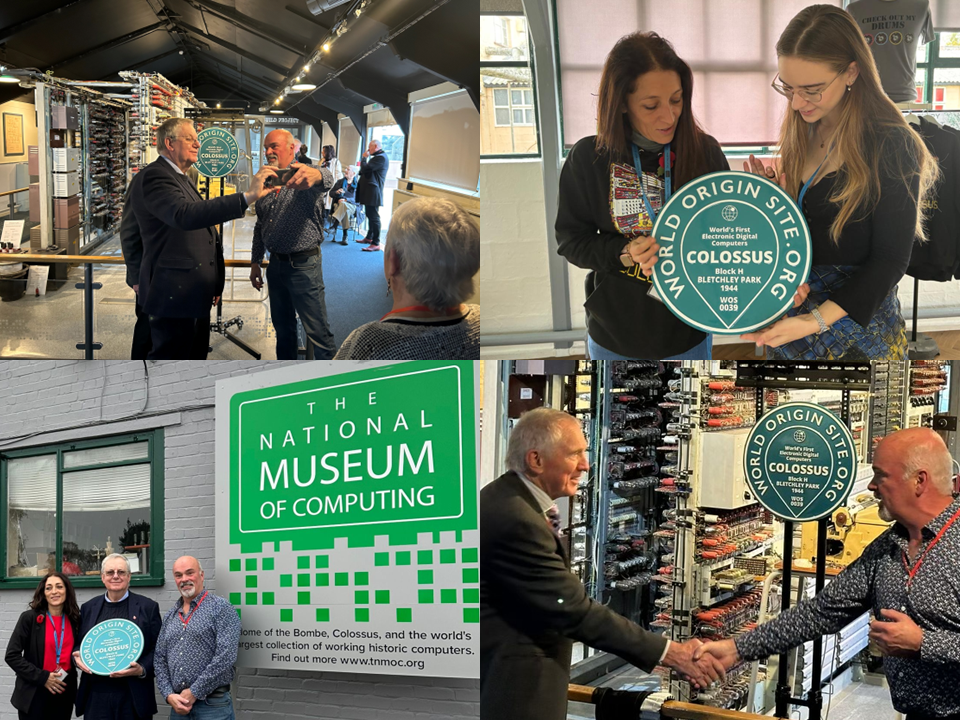
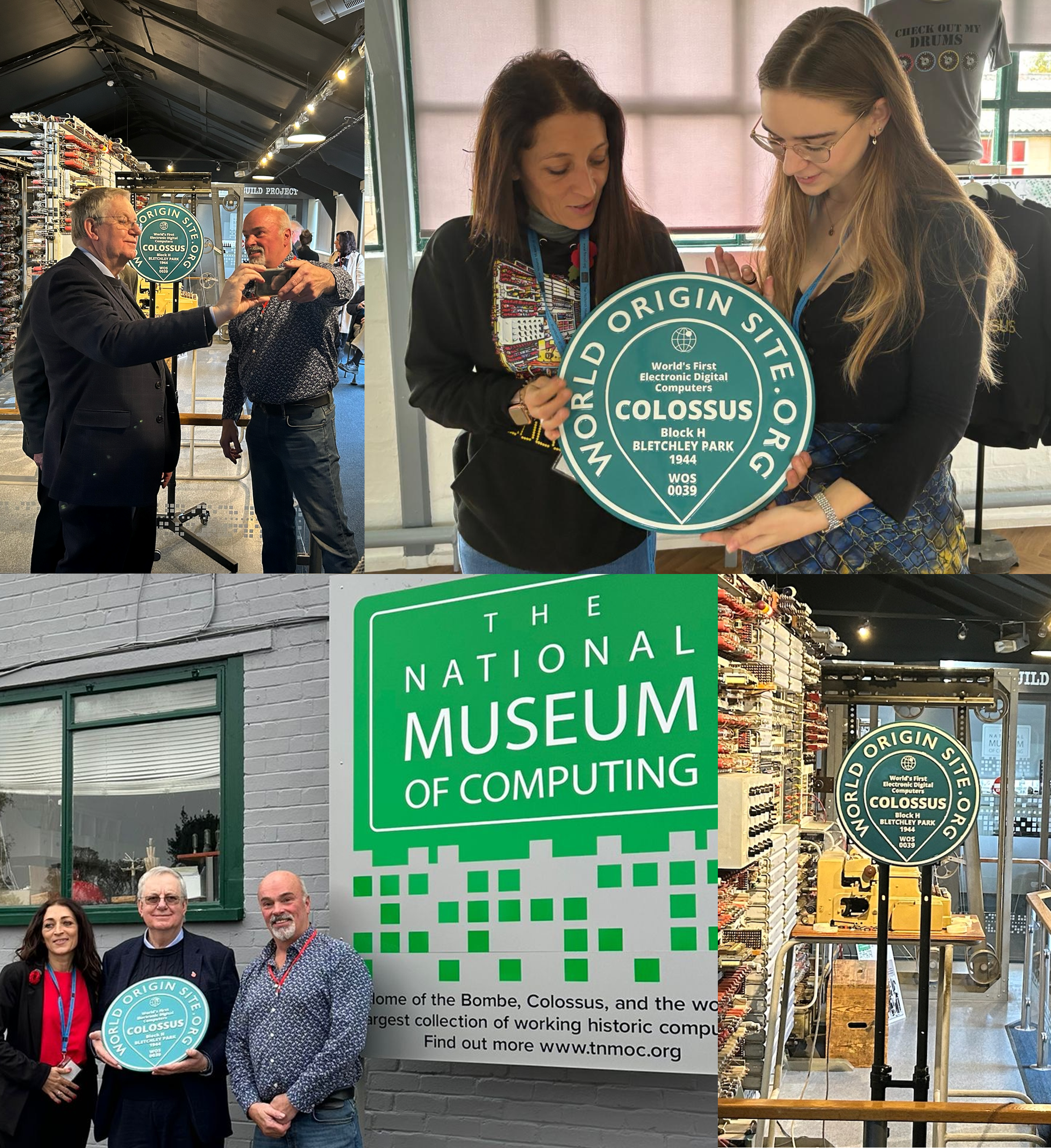
Plaque Unveiled – 9th November 2024 at Bletchley Park
The National Museum of Computing at Bletchley Park celebrated 80 years of the Colossus computers. The museum’s reconstructed Colossus is running in the very hut where unit No9 was operational in 1944. These were the World’s First Electronic Digital Computers but were kept top secret for 30 years. Jacqui Garrad, Dr Andrew Herbert OBE, Alan Bealby of PORF and over 70 guests came to see the refurbished museum and the unveiling of World Origin Site plaque 0039 to Accredit this landmark moment in computer development.