Railway Pub, The Cleveland Bay
Hugo Wilkie2025-12-11T11:57:59+00:00ACCREDITED SITE - WOS0092 WHAT: ...

ACCREDITED SITE - WOS0092 WHAT: ...

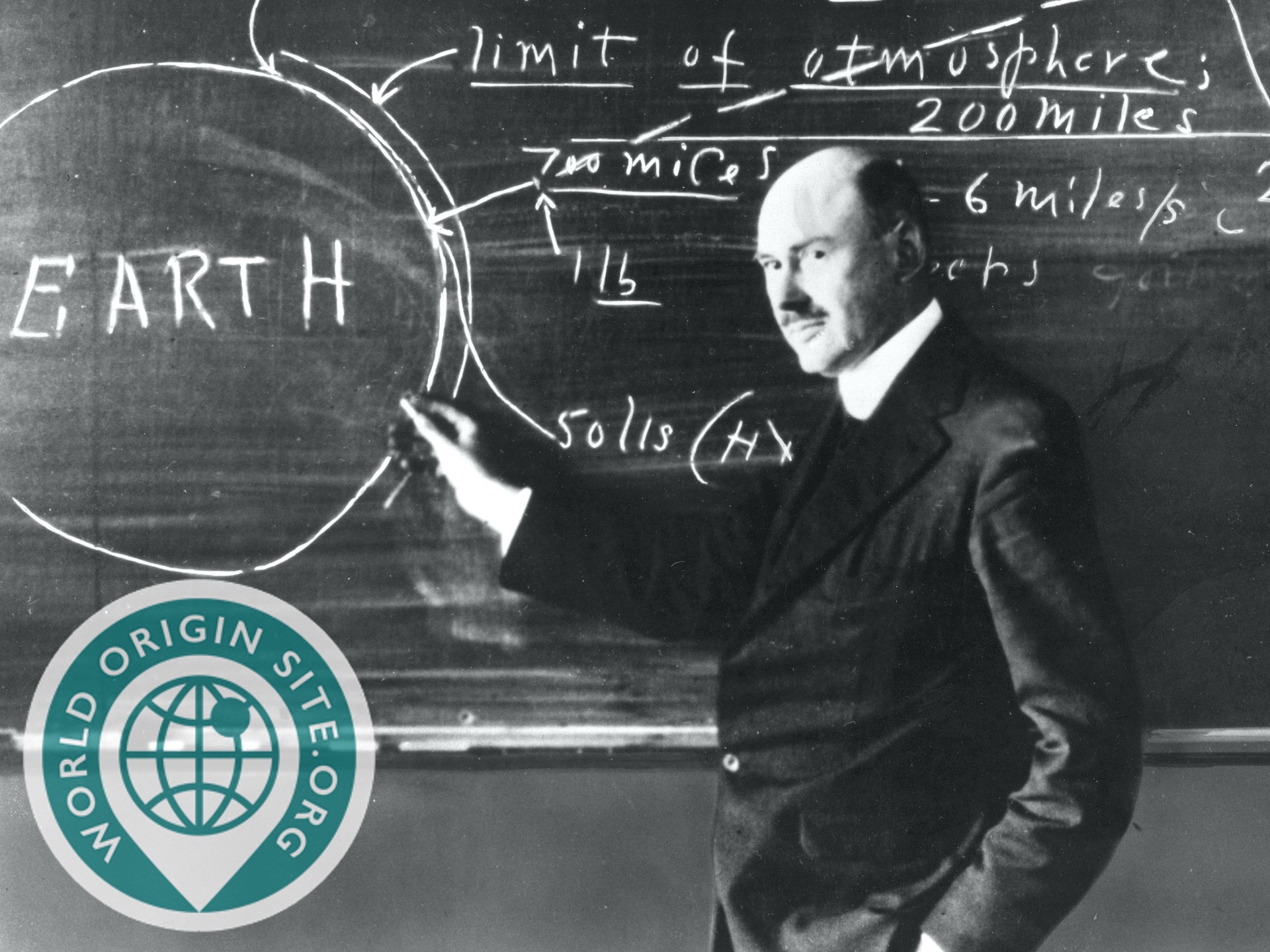
Dr. Robert H. Goddard launched his historic rocket on March 16, 1926, from what was then the Asa Ward Farm. Its 10-foot cylinder reached an altitude of 41 feet, flew for two-and-a-half seconds, and fell to the ground 184 feet from the launching frame. Present at the launch were his crew chief Henry Sachs, Esther Goddard, and Percy Roope, who was Clark’s assistant professor in the physics department. Goddard’s diary entry of the event was notable for its understatement: March 16. Went to Auburn with S[achs] in am. E[sther] and Mr. Roope came out at 1 p.m. Tried rocket at 2.30. It rose 41 feet & went 184 feet, in 2.5 secs., after the lower half of the nozzle burned off. Brought materials to lab. …
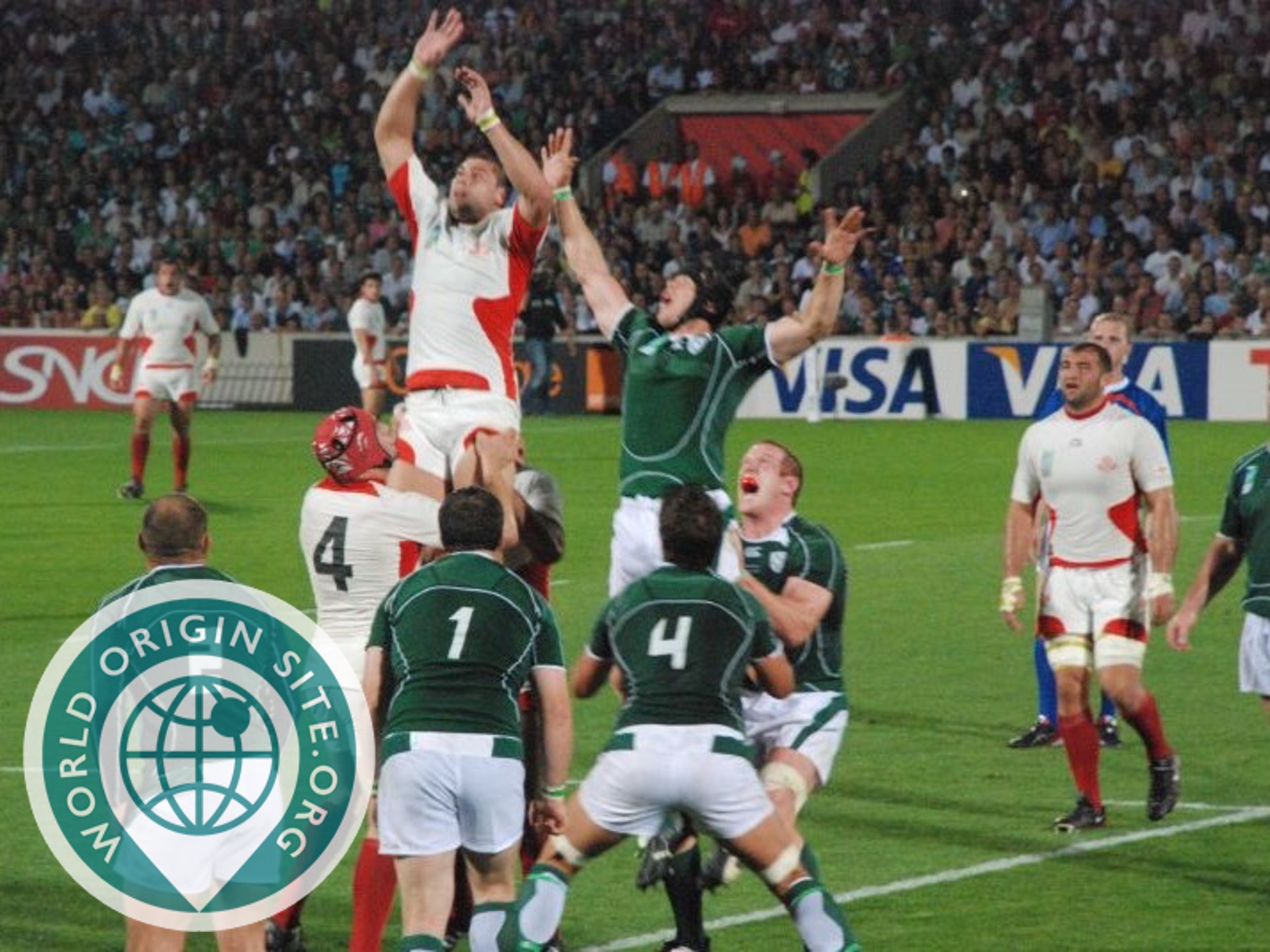
Rugby football started at Rugby School in Rugby, Warwickshire, England, where legend has it that one day in 1823, a senior school boy called William Webb Ellis elected to run with the ball rather than retiring to kick it as was the normal mode of play in Rugby School football matches. The rules were first codified in 1845 by William Delafield Arnold, W. W. Shirley and Frederick Hutchins. From there Rugby football spread to other English public schools in the 19th century and across the British Empire as former pupils continued to play it.
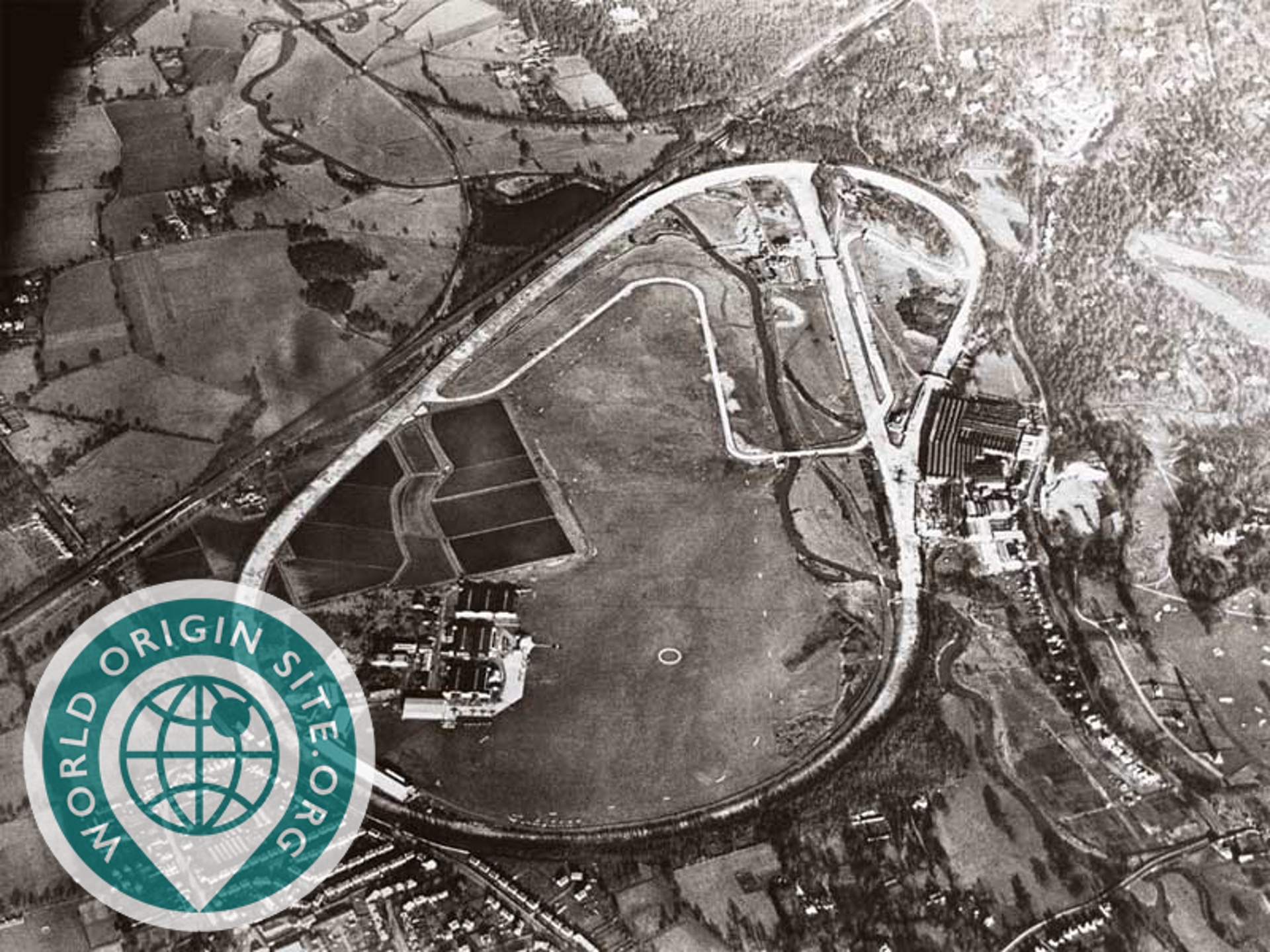
Brooklands was a 2.75-mile (4.43 km) motor racing circuit and aerodrome built near Weybridge, Surrey, England. Opened in 1907, it was the world’s first purpose-built banked motor racing circuit, designed to accommodate the increasing speeds of early 20th-century automobiles. The track featured steep banking and long straights, allowing for high-speed racing and record-breaking attempts, making it a hub of motorsport innovation. In addition to motorsport, Brooklands quickly became one of Britain’s first airfields and evolved into the largest aircraft manufacturing centre in the country by 1918. It played a key role in aviation history, producing both military aircraft and civil airliners. Throughout both World Wars, Brooklands was instrumental in aircraft development, hosting testing, training, and manufacturing efforts. The circuit hosted its final race in August 1939, as the outbreak of World War II saw the site repurposed for war production. Post-war, much of the track was dismantled, but aviation and motoring heritage remain deeply rooted in the area. Today, part of the original circuit is preserved as Brooklands Museum, a major destination for aviation and motorsport enthusiasts. The museum showcases historic aircraft, vintage racing cars, and exhibits on Brooklands’ pioneering contributions to motorsport and aerospace. The site also hosts vintage car, motorcycle, and transport-related events, keeping the spirit of Brooklands alive for future generations.
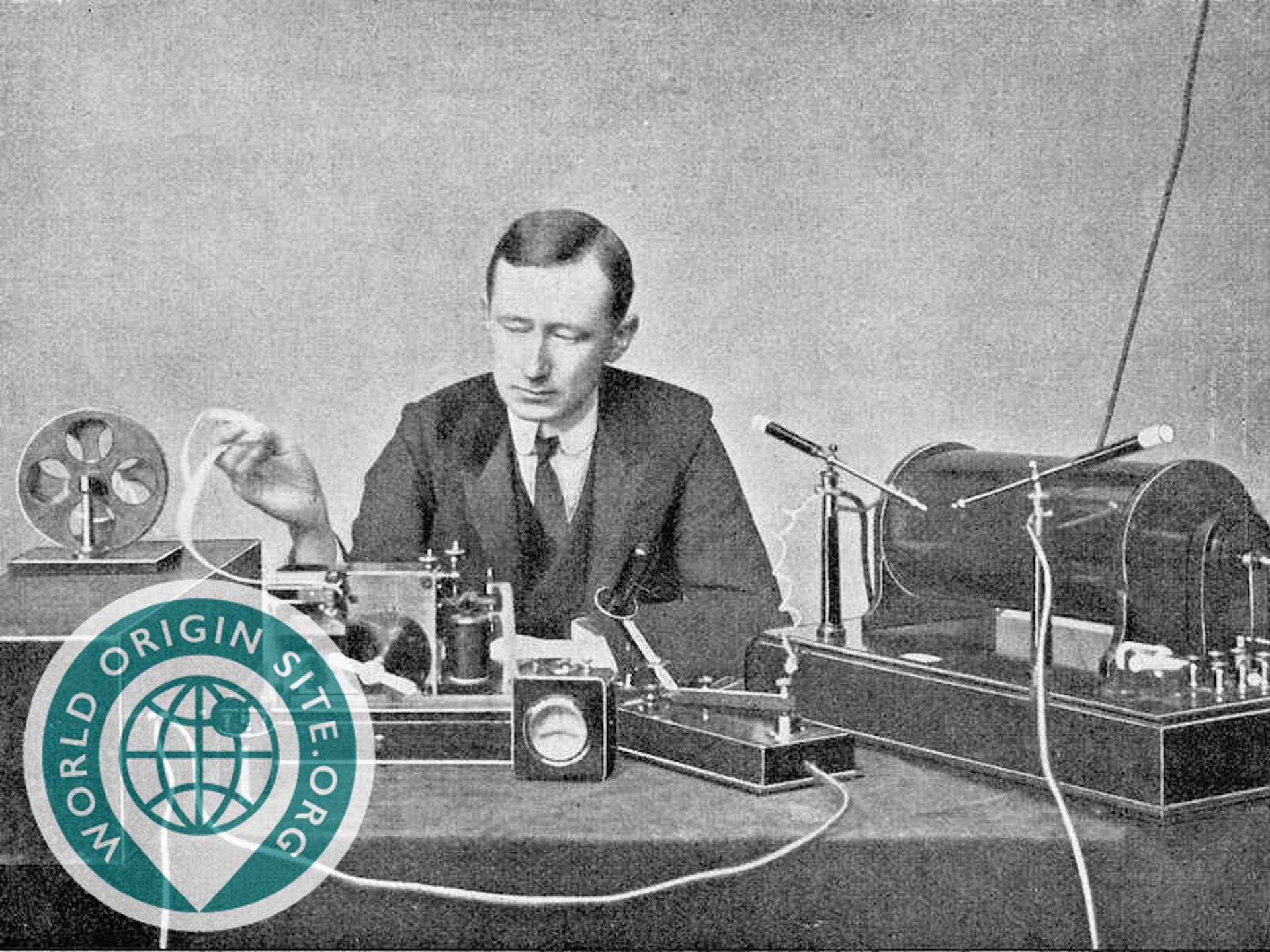
In early December 1897, to investigate and experiment with transmission to ships at sea, Guglielmo Marconi set up his revolutionary wireless equipment in the Royal Needles Hotel, above Alum Bay, and sent the very first wireless transmission. A huge 168 feet high mast was set up outside the hotel and over the next couple of years Marconi conducted ever more complex experiments with wireless transmissions. In 1898 messages were received from Marconi at Queen Victoria’s Osborne House and on the royal yacht. Little now remains of Marconi’s experimental stations, as the hotel and masts have long since gone. However, a monument to him stands on the cliff top within Needles Park and information lecterns provide a detailed history of radio, Marconi and the role played by Alum Bay.